Our Impact in Numbers
Our Mission
Our mission is to connect young women across Sierra Leone with healthcare systems through a network of peer-led educators and clinical nurses. We provide accurate biological information, professional care, and essential reproductive health resources. By integrating youth-led education with medical professionals, we maintain a supportive, judgment-free environment where adolescents receive evidence-based knowledge to make independent decisions about their health. This structural approach ensures young people manage their bodily autonomy, protect their health, and remain in school.
Our Approach
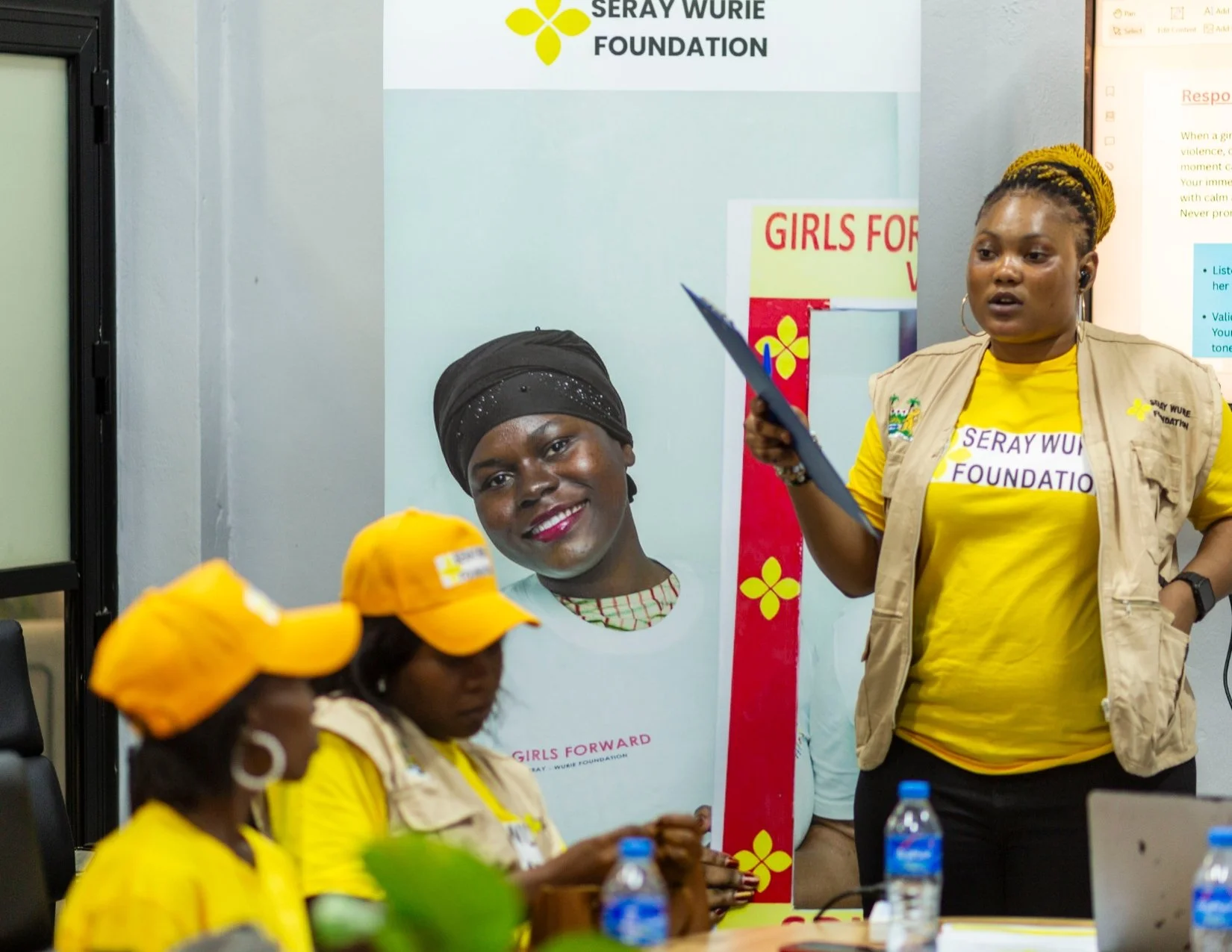
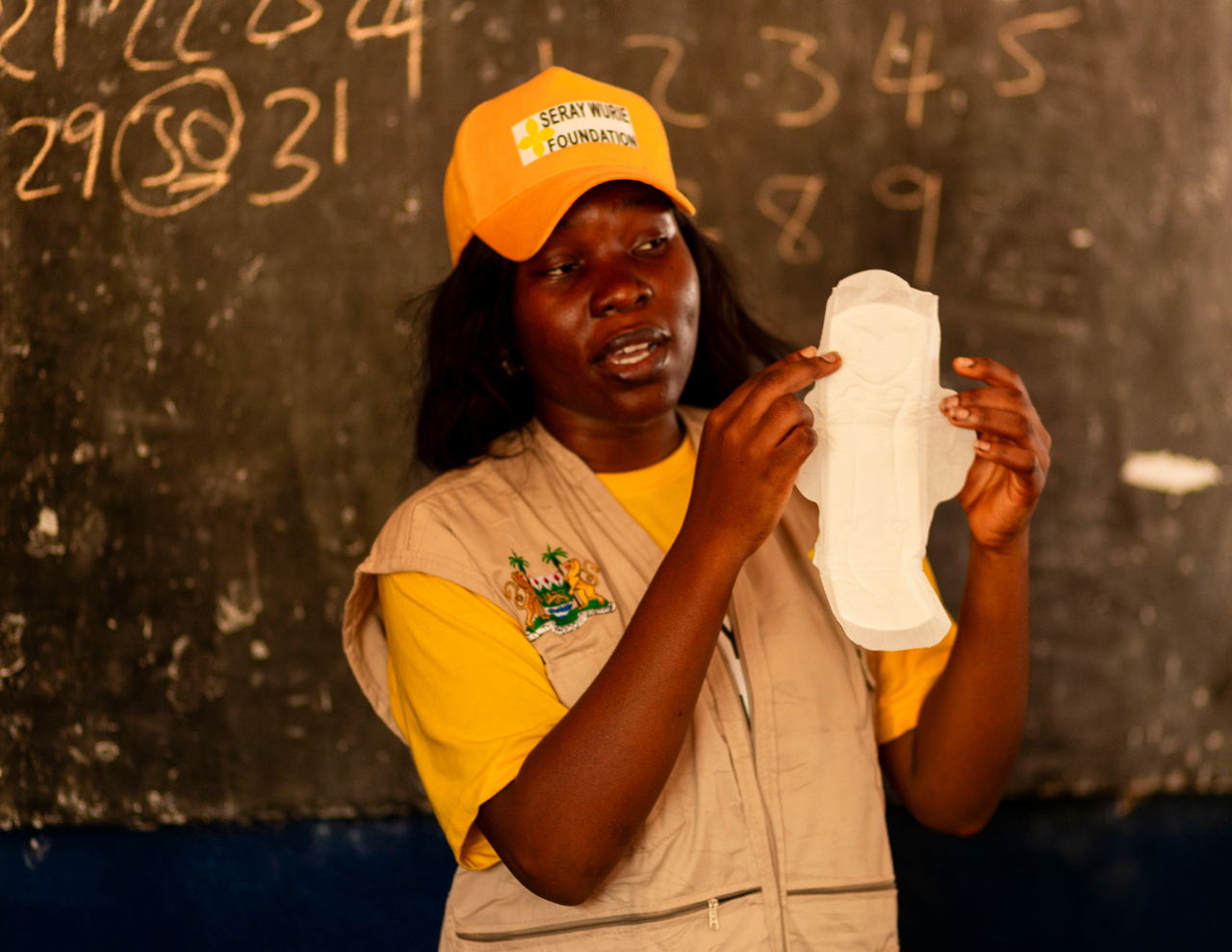
The SERAY WURIE FOUNDATION establishes permanent, youth-led safe spaces that integrate interactive health education workshops with the distribution of essential physical resources. Our structural model connects peer-led education networks directly with certified, practicing volunteer nurses. This collaborative strategy ensures that local healthcare provision becomes youth-responsive, equitable, and non-discriminatory, allowing adolescents and young women to safely manage their health and remain in school.
Understanding the Problem
Adolescents and young women in Sierra Leone face profound systemic barriers to their Adolescent and Youth Sexual and Reproductive Health and Rights (AYSRHR). While general contraceptive awareness has grown, social taboos, community stigma, and a shortage of supportive medical counseling prevent young people from accessing safe, high-quality care. Without access to judgment-free healthcare and accurate biological information, adolescent girls are left vulnerable to widespread misinformation when they require reliable guidance.
.png)
Millions of girls miss up to 20% of the school year simply because they lack access to basic feminine hygiene products and private facilities during their menstrual cycles.
.png)
In Sierra Leone more than 40% of young people reported using neither a condom nor any other form of modern contraception during their most recent sexual encounter, leaving them highly vulnerable to unintended pregnancies and sexually transmitted infections.
.png)
About 37% of the young women in Sierra Leone lack consistent access to comprehensive health literacy, leaving them vulnerable to unsafe medical alternatives.