
Anatomy of a Youth-Responsive Health System: Why Bringing Trained Nurses into Classrooms Unlocks Care
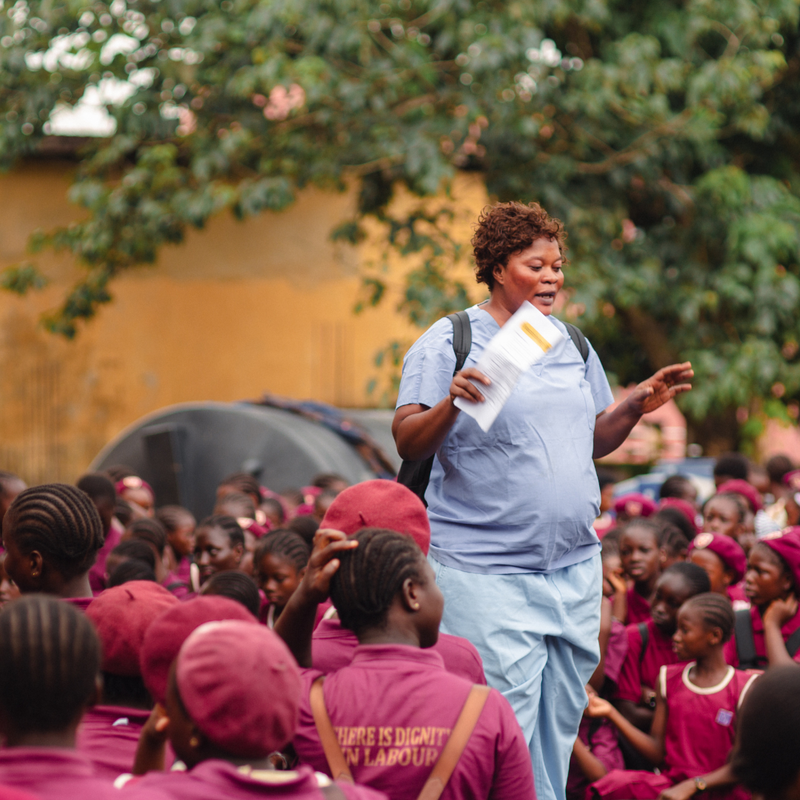
For many adolescents in Sierra Leone, the local health clinic feels like an intimidating, inaccessible space. Fear of judgment, scolding from healthcare providers, and deep-seated anxieties about confidentiality often lead young people to avoid clinical settings altogether, leaving easily treatable infections and reproductive health concerns to worsen in silence. A genuinely youth-responsive health system cannot simply expect young people to show up at clinic doors; it must proactively dismantle the wall of intimidation that keeps them away. At the SERAY WURIE FOUNDATION, our school outreach model addresses this divide directly by bringing registered clinical nurses into the classroom, transforming white coat authority figures into trusted, approachable partners in health.
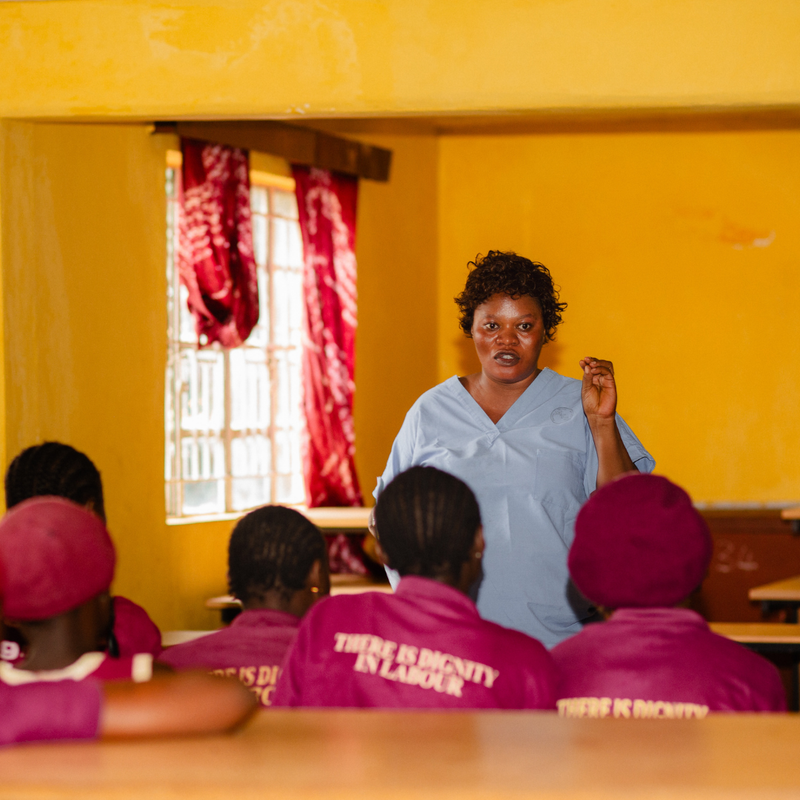
When adolescent students see a registered nurse standing in front of their chalkboard, not holding a syringe or speaking in clinical jargon, but listening attentively and explaining biological realities with warmth, the dynamic shifts entirely. Observing a healthcare worker openly answer candid questions about vaginal discharge, menstrual cycles, and infection signs without shame demystifies the medical profession. It sends a clear, validating message: your questions are legitimate, your bodily changes are normal, and healthcare providers are here to support your dignity, not lecture you. This familiar, judgment-free interaction in the classroom removes the anxiety associated with visiting a clinic, equipping students with the confidence to seek timely, professional medical care when symptoms arise.


